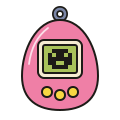
The egg-shaped virtual pet was first sold on 23 November 1996, which makes it 30 years old. Bandai’s Tamagotchi went on sale in Japan that day and reached the US on 1 May 1997. Computer pets such as Dogz came out in 1995, but this was the first you could carry on a keyring.
Akihiro Yokoi of the toy company WiZ came up with the idea and pitched it to Bandai in 1995. Aki Maita, who worked at Bandai, developed it with him. They first planned a wristwatch, but the cost pushed them to a small egg on a keychain.
The name joins the Japanese words tamago, egg, and uotchi, watch. The pet hatched on a tiny screen and had three buttons for feeding, cleaning and playing. An average life from egg to adult lasted about 12 days.
Why schools banned it
A Tamagotchi could not be paused. Neglect it for half a day and it could get ill or die. Children took them to class to keep them alive, and they beeped for attention during lessons.
In 1997 schools in the US, China, Hong Kong, Thailand and elsewhere banned them. Some pupils were so upset when their pets died that teachers had to comfort them. In 1997 Yokoi and Maita won an Ig Nobel Prize, a joke award, for diverting millions of hours of work into caring for virtual pets.
A craze that never quite ended
Bandai could not keep up with demand. It sold about 400,000 in 1996, 10 million by July 1997 and nearly 40 million worldwide by spring 1998. Then the craze faded, and unsold stock cost the company billions of yen.
Bandai has relaunched it many times since, including a wristwatch-style model with Wi-Fi, the shape first planned in 1995. It says more than 98 million had been sold worldwide by 2025.